The Design and Theme of Chicken Road
The design and theme of Chicken Road serve as a fascinating case study in urban planning and community engagement. Situated in a vibrant neighborhood, Chicken Road is more than just a thoroughfare; it is a reflection of the cultural and social dynamics of the area. This report delves into the architectural elements, thematic representations, and the overall impact of Chicken Road on its community.
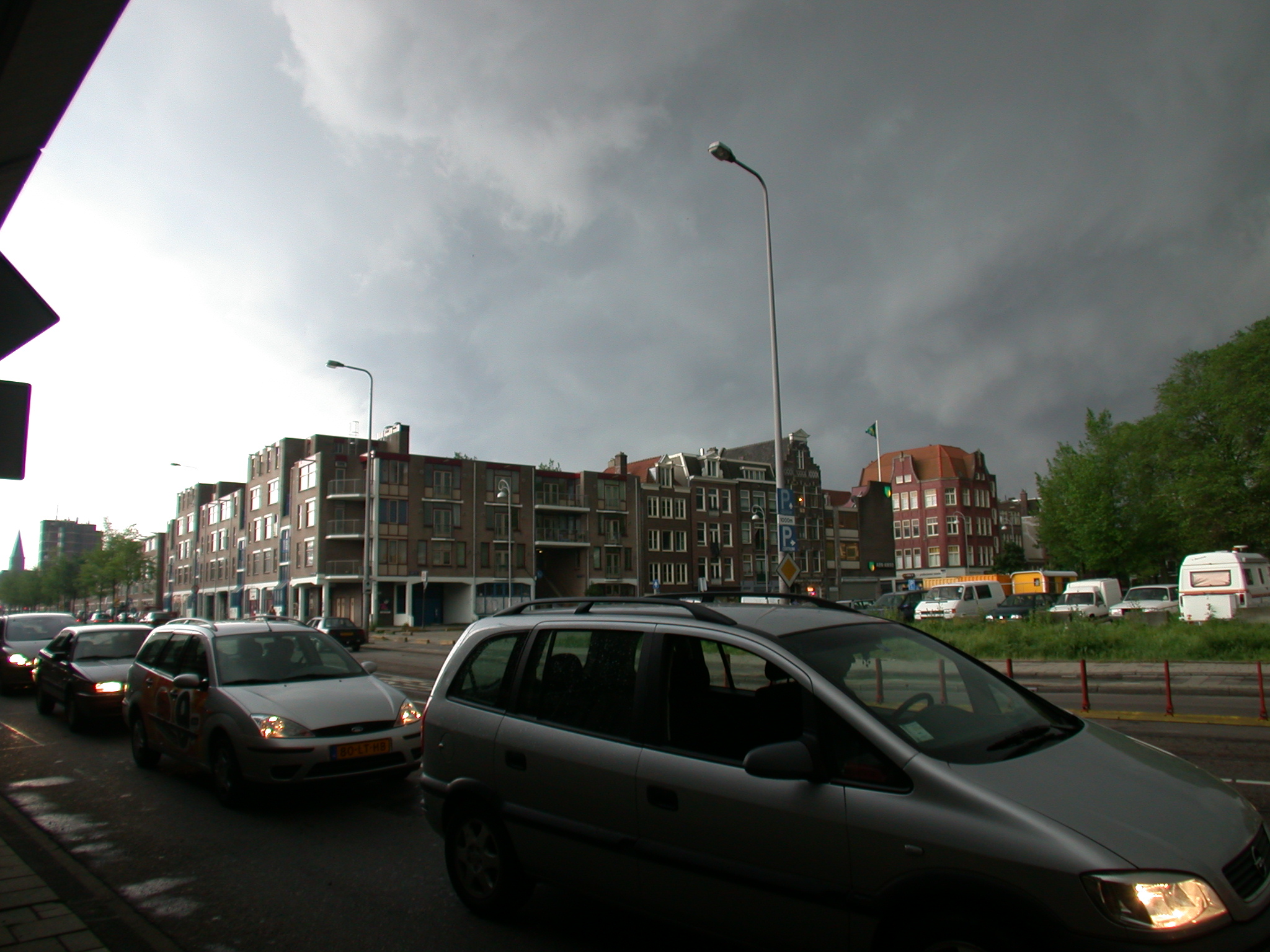
At first glance, the design of Chicken Road is characterized by its unique blend of functionality and aesthetics. The road is lined with colorful murals depicting local wildlife, particularly chickens, which serve as a nod to the area’s agricultural heritage. These murals not only beautify the space but also foster a sense of identity among residents. The use of bright colors and whimsical designs invites pedestrians and cyclists to engage with the environment, transforming a simple road into an experiential journey.
The layout of Chicken Road is intentionally pedestrian-friendly, with wide sidewalks and ample green spaces. The presence of benches and community gardens encourages social interaction and promotes a sense of belonging. This design choice is significant, as it reflects a growing trend in urban planning that prioritizes human-scale environments over vehicular dominance. The incorporation of bike lanes further emphasizes the commitment to sustainable transportation, making Chicken Road accessible to all residents, regardless of their mobility preferences.
The theme of Chicken Road extends beyond its physical attributes; it encapsulates the spirit of the community. The road acts as a canvas for local artists, who are invited to contribute to its evolving narrative through art installations and performances. This participatory approach not only enriches the cultural fabric of the area but also empowers residents to take ownership of their public spaces. The theme of community engagement is evident in various events held along Chicken Road, such as farmers’ markets and street fairs, which celebrate local produce and crafts.
Moreover, Chicken Road is a reflection of the socio-economic dynamics of the neighborhood. The juxtaposition of small businesses, food stalls, and larger commercial establishments highlights the diversity of the local economy. This blend creates a vibrant marketplace that attracts both residents and visitors, fostering economic growth while maintaining the community’s unique character. The presence of family-owned businesses along the road emphasizes the importance of local entrepreneurship, reinforcing the theme of community resilience.
In conclusion, the design and theme of Chicken Road exemplify a successful integration of urban planning, art, and community engagement. The road serves as a vital artery that connects people, businesses, and cultural expressions, while also promoting sustainability and inclusivity. As cities continue to evolve, Chicken Road stands as a model for how thoughtful design and thematic coherence can enhance urban life, making it a beloved landmark for generations to come. The interplay of art, social interaction, and economic vitality makes Chicken Road not just a pathway but a living testament to the community it serves.